x

The days of simple Amazon advertising are gone. You went out there and bid on some keywords, spent an hour watching your ACoS and then came home. That playbook is now a thing of the past.
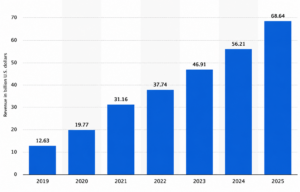
Amazon has become the third biggest digital ad platform in the world, trailing only Google and Meta, and will no longer pay whomever shows up and bids the highest. Indeed, the retail media market, which Amazon dominates, will see $69 billion in global ad spend this year, eMarketer estimates. The brands that are going to be the winning brands are not the ones that are spending the most. It’s they who are investing where it matters.
So if you’re trying to figure out where the smart money is actually going, here are the Amazon advertising trends shaping 2026 — and what each one means for your budget.
The biggest shift this year isn’t a flashy new ad format. It’s who’s running the campaigns.
Amazon’s AI shopping assistant, Rufus, now merged with Alexa, crossed 300 million users and helped drive an estimated $12 billion in additional sales. In the US about 40% of the shopping session, which means a huge slice of shoppers, now discover products through conversation, not the search bar. That quietly changes everything about how and where your ads get seen. In India also, more than one crore shoppers used the AI shopping assistant to buy on Amazon.
On the seller side, AI has become a genuine creative partner. You can spin up dozens of listing variations, test ad creatives, and personalise messaging at a scale that would have needed a full team and a month just two years ago. The sellers winning in 2026 treat AI as an amplifier — not a replacement for strategy, but a way to move ten times faster on the strategy they already have.
The catch? Everyone has the same tools. So the advantage no longer comes from automation itself — it comes from the human judgement steering it. AI + Human skills is the winning edge.
What used to be called “Amazon ads” were always about: Sponsored Products at the bottom of the funnel, when customers were ready to purchase.
That’s no longer where the growth lives. The most effective Amazon advertising strategy in 2026 is full-funnel — investing across awareness, consideration, and conversion instead of fighting over the same high-intent keywords as everyone else.
In practice, that looks like Sponsored TV and Sponsored Brands building awareness at the top Amazon DSP retargeting shoppers who browsed but didn’t buy, and Sponsored Products closing the deal at the bottom. Brands that connect these stages — rather than running them in isolation — are seeing stronger new-to-brand growth and lower overall costs.
This is exactly the kind of orchestration that pushes growing brands toward an Amazon advertising agency, because running five ad types across a full funnel is a completely different sport from managing one keyword campaign.
Here’s the uncomfortable part: advertising on Amazon is getting more expensive, fast.
The average cost-per-click climbs up roughly 10–15% year over year depending on your category. Grocery, health & beauty, and household goods are feeling it hardest. The reason is simple: more than 70% of Amazon sellers now run ads, up from around 40% five years ago, and all that competition compresses everyone’s margins. Amazon itself, and for obvious reasons, nudges as well as facilitates the smallest of the sellers to spend on the platform, and most of the sellers will lose money.
In 2026 the goalposts moved from revenue at all costs to genuine profit discipline. Leading sellers now track TACoS (total advertising cost of sales) and contribution margin instead of fixating on ACoS alone. The question stopped being “did this ad get a sale?” and became “did this ad get a profitable sale that brought in a customer worth keeping?”
Growth without a path to profitability, as a lot of brands are learning the hard way, isn’t really growth.
A couple of years ago, “Amazon TV ads” sounded like something only enterprise giants could afford. Not anymore.
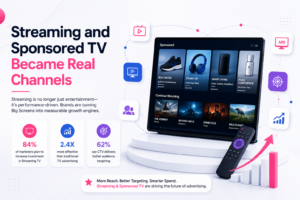
Streaming has become a premium canvas for advertisers of every size, and Sponsored TV has turned Prime Video and Fire TV into a place where even mid-market sellers can build real brand awareness. Pair that with the creator economy and live commerce — where shoppable streams blur the line between entertainment and checkout — and you have entirely new ways to reach people before they ever type your product into a search box.
Strip away the buzzwords and the budget shift comes down to four moves:
Less on blindly raising bids for crowded bottom-funnel keywords.
More on full-funnel coverage — awareness through Sponsored TV and DSP, not just conversion.
More on AI-powered creative testing, so the ads themselves do more of the heavy lifting.
More on measurement and profit tracking, because in a high-CPC world, the brands that truly understand their unit economics are the ones that win.
None of this means smaller budgets. It means sharper ones.
The reality of 2026 is that Amazon ads have become too complex — and too expensive — to run on guesswork. Between AI powered creatives, full-funnel strategy, DSP, and razor-thin margins, a single misstep can quietly burn through thousands.
That’s why more brands are partnering with a specialist Amazon agency or ecommerce marketing agency that lives inside the platform every day. The ideal amazon ads agency isn’t simply pulling levers in the console, it’s an ecommerce consulting agency that is creating campaigns that match your ad budget to your inventory, your margins and your growth objectives. A good marketplace ad agency takes an average of rising costs and makes them a competitive advantage; whereas everyone else will bid blind, your bid will be, in this case, informed by data and strategy.
If Amazon advertising is a game of accuracy rather than quantity, it’s all the difference.
AI-powered campaign creation, a move towards full-funnel approach (awareness to conversion), increasing CPCs turning advertisers towards making money first and creating a campaign second and the increasing presence of Sponsored TV and streaming ads are the key trends in the advertising landscape on this platform in 2026. Briefly: It’s better to spend smartly now than spend more.
In 2026, the average price for an Amazon PPC is approximately 10-15% higher than in the previous year. Some of the competitive categories, such as groceries, health and beauty, household goods, and more, can be running higher — and that is why it’s more important than ever to keep an eye on your profits.
Yes, but, with the correct approach! More than 70% sellers are now advertising these days and visibility by organic methods is decreasing, so ads are vital to be seen. The brands who are successful focus on the areas that will drive towards profitability and spend in the whole funnel and not just on the sales.
Full funnel advertising involves placing ads on each of the touchpoints in the buyers’ journey – from Sponsored TV and Sponsored Brands (awareness) to Amazon DSP (retargeting) to Sponsored Products (conversion). Now, it is the best method to develop on the platform.
From assisting shoppers on a purchase journey from ordering to service issues (as in the case of Alexa Shopping Assistant) to helping sellers test creatives and create variations of listings, AI has become part of the way shoppers are buying and the way it is being marketed. AI will be a potent amplifier, but it’s the strategy and human steering that ultimately determines winners.
When Amazon is becoming a major revenue stream or when you’re in the trial and error phase, it’s most likely worth it. The secret to a successful Amazon advertising agency is their ability to provide all the necessary expertise, AI-powered creativity, and profit-oriented management that can’t be developed overnight.
Take steps to go beyond ACoS. What’s important today is TACoS (total advertising cost of sales), contribution margin, new-to-brand sales and customer lifetime value — all these tell you if your spending is really helping to create a profitable business.

Our strategy and growth experts will take you through our array of services and explain how our amalgamation of skilled human resources and technology can help you grow faster and more profitable.
Free Consultation